
By Publisher Team
Mahamaya Lifesciences Collaborates with ICAR-CISH to Promote Sustainable Agriculture
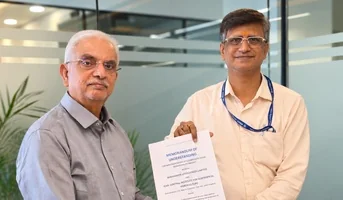
Mahamaya Lifesciences Limited has collaborated with the ICAR–Central Institute for Subtropical Horticulture (ICAR-CISH), Lucknow, as part of its Corporate Social Responsibility (CSR) initiatives to support the demonstration and adoption of eco-friendly agricultural technologies.
The collaboration aims to promote sustainable crop production, residue reduction, improved produce quality and better value realization for farmers by bringing scientifically validated agricultural technologies closer to farming communities.
Bridging Research and Farm-Level Adoption
A key objective of the initiative is to bridge the gap between scientific research and its practical implementation at the farm level.
Through field demonstrations, farmer training programmes and technical guidance, farmers will have the opportunity to understand and evaluate modern agricultural solutions under actual farming conditions.
Technologies planned for demonstration under the programme include Nano Florin, FUSICONT, bacterial biostimulants and CISH METWASH.
These technologies will be evaluated for their potential to support improved crop management, biological disease management and more sustainable farming practices.
Promoting Responsible Crop Management
The programme will focus on several important areas of sustainable agriculture, including:
- Improved crop management practices
- Biological approaches to disease management
- Reduced dependence on excessive chemical inputs
- Better pre-harvest and post-harvest practices
- Improved produce quality and shelf life
- Greater compliance with quality and residue requirements
Comparative demonstrations with conventional farming practices will also be conducted to assess differences in crop performance, produce quality, disease incidence and residue levels.
These demonstrations are expected to provide farmers with practical insights into the benefits and application of scientifically validated technologies.
Farmer Training and Technical Support
Farmer capacity building forms an important part of the initiative.
The programme will include farmer training sessions, field visits, awareness activities and technical guidance from ICAR-CISH experts, helping farmers understand the appropriate use and benefits of the demonstrated technologies.
Selected demonstrations will also be extended to brinjal and chilli crops in West Bengal, widening the reach of the initiative and enabling farmers in different agricultural regions to benefit from the programme.
Advancing Sustainable Agriculture
Through this CSR collaboration with ICAR-CISH, Mahamaya Lifesciences aims to contribute to the wider adoption of sustainable and scientifically validated agricultural practices.
The initiative reflects the company's commitment to supporting farming communities through solutions that can enhance productivity, crop quality, sustainability and market opportunities, while encouraging responsible agricultural practices and reduced dependence on excessive chemical inputs.
By combining scientific expertise with practical field-level demonstrations and farmer education, Mahamaya Lifesciences and ICAR-CISH aim to contribute towards a more sustainable and resilient agricultural ecosystem.
Related News

Mahamaya Lifesciences Recognised Among Forbes India DGEMS 2025 Select 200 Companies
Mahamaya Lifesciences has been recognised among the Select 200 companies under the Forbes India DGEMS 2025 program, marking another significant milestone in the company’s journey towards expanding its global presence in crop protection.
Read More
Press Release: Mahamaya Lifesciences Announces ₹70.44 Crore IPO; Opens November 11, 2025
Official Press Release: Mahamaya Lifesciences Limited announces ₹70.44 Crore Book Building IPO on BSE SME platform.
Read More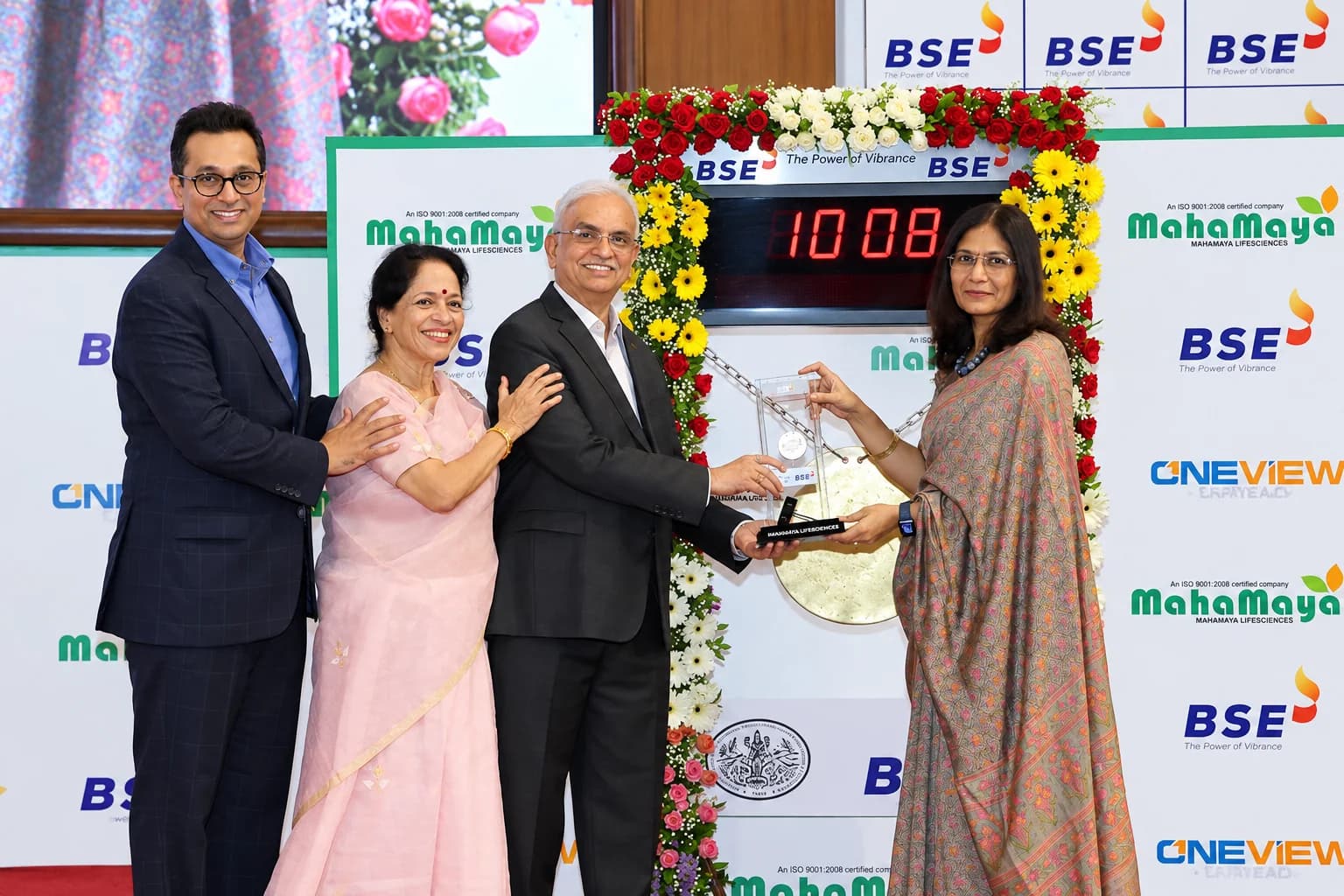
Mahamaya Lifesciences Limited – IPO Launch Announcement & Key Highlights
Mahamaya Lifesciences Limited launches its Initial Public Offering (IPO) of up to ₹70.44 Cr. Issue opens November 11, 2025 and closes November 13, 2025.
Read More